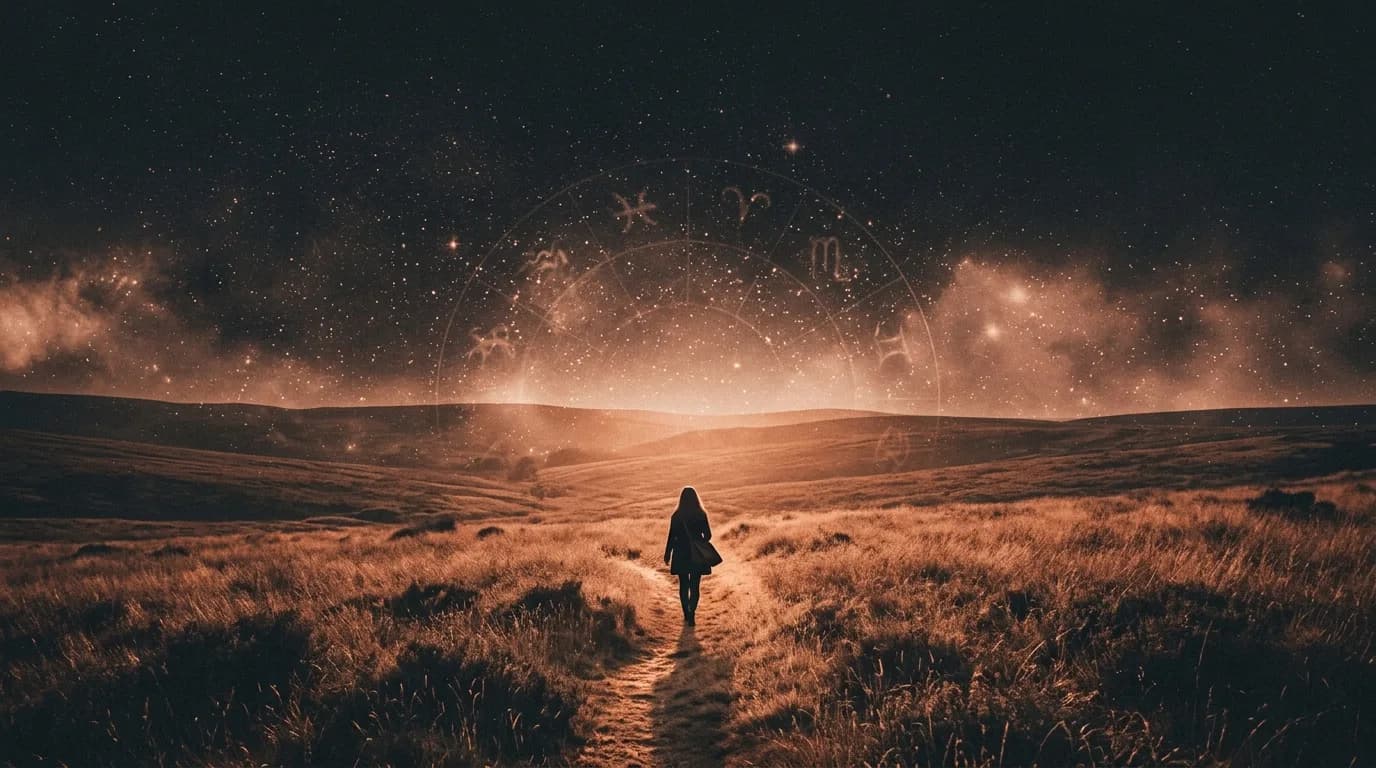

Have you ever felt that your relationship was written in the stars? That the way you meet, the way you clash, and the way you grow together follows a pattern deeper than chance? In astrology, that pattern is called synastry – the art of comparing two birth charts to reveal the hidden blueprint of your connection. This isn't about predicting a fairy-tale ending; it's about understanding the cosmic mechanics of love, so you can navigate your partnership with more awareness, compassion, and purpose.
What Is Synastry, Really?
Synastry is the astrological study of how two charts interact. It's not just about your Sun signs – that's the tip of the iceberg. When we overlay your chart with your partner's, we see a complex web of planetary contacts that speak to the dynamics between you. Some contacts feel effortless, others challenge you to grow. Some point to karmic debts, others to soulmate recognition. The goal is not to judge whether a relationship is "meant to be," but to understand its unique energetic signature – and to use that knowledge to love more consciously.
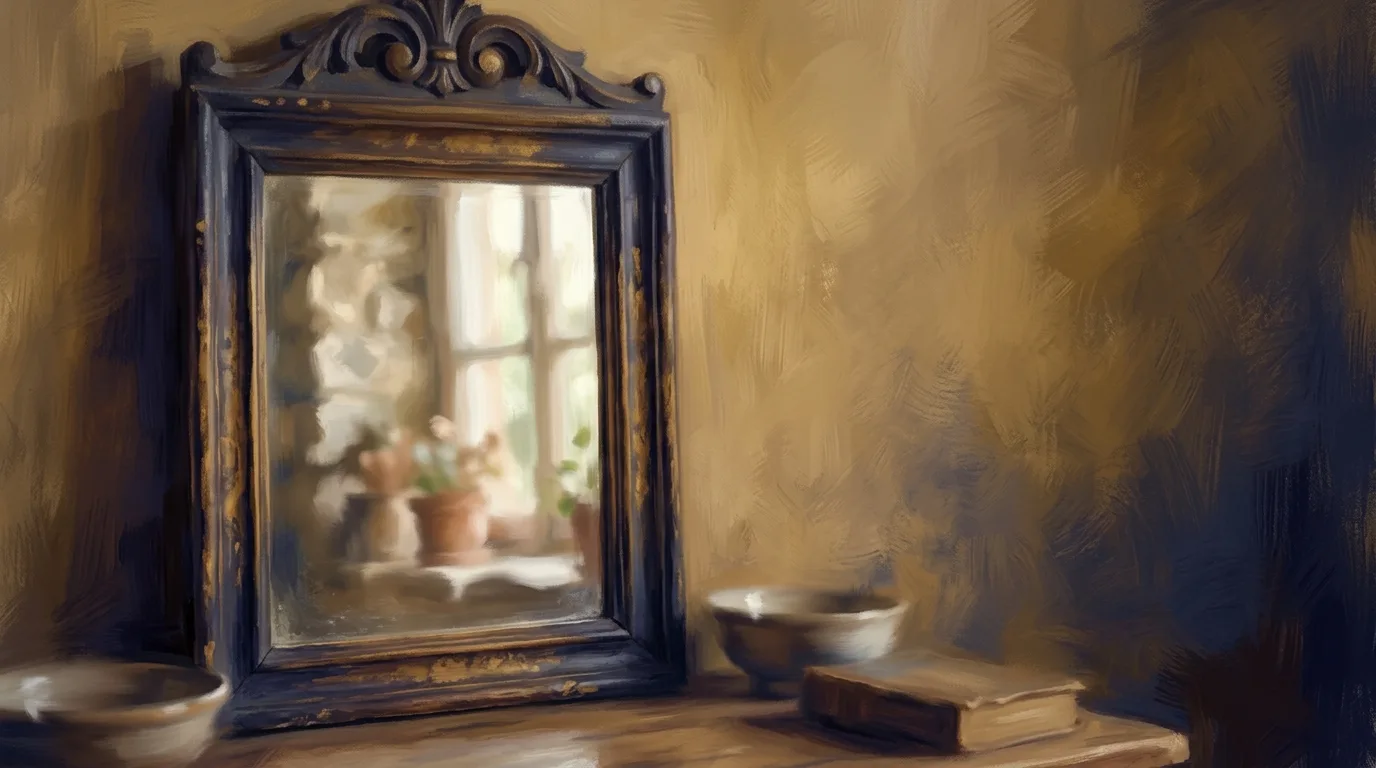
Think of synastry as a cosmic mirror. It reflects not only what you attract but also what you're ready to heal. The planets in your chart represent different parts of your psyche – your identity, your emotions, your desires, your drive. When they meet your partner's planets, they activate each other. That activation is where the magic, the friction, and the transformation happen.
"The stars do not compel, they reveal. In the dance of two souls, the cosmos shows us where we must bend, where we must stand firm, and where we must simply surrender."
The Planets as Love Languages
In synastry, certain planets play starring roles in the love story. The Sun represents your core self – your vitality, your ego, your life force. When your Sun connects harmoniously with your partner's Sun, you feel seen and validated. Challenging Sun aspects can spark power struggles, but they also invite you to integrate parts of yourself you've denied.
The Moon is the key to emotional intimacy. It governs your inner world, your needs, your instinctive reactions. A strong Moon-Moon connection – especially in trine or conjunction – creates a sense of emotional safety and belonging. You just get each other. But if your Moons are in hard aspect, you may trigger each other's insecurities. That's not a dealbreaker; it's a call to develop deeper emotional intelligence.
Venus is the planet of love, beauty, and attraction. Venus-Venus contacts show how you express affection and what you find pleasurable. Venus-Mars contacts ignite chemistry – the classic spark. But beware: intense Venus-Mars aspects can also bring obsession or jealousy if not channeled consciously. And Mars – the planet of drive and desire – reveals how you assert yourself, how you fight, and how you pursue what you want. Mars contacts can show where you energize each other or where you clash in conflict.
The Aspects: Where the Dance Gets Real
Aspects are the angles between planets in the two charts. They come in a few main flavors: conjunctions (0°), oppositions (180°), trines (120°), squares (90°), and sextiles (60°). Conjunctions blend energies – they can be intensely bonding or intensely merging, depending on the planets involved. Trines and sextiles are flowing and supportive – they feel like natural chemistry, a sense of "easy." Squares and oppositions are dynamic and challenging – they create friction that pushes you to grow, but they can also lead to repeated conflicts if you don't address the underlying patterns.
For example, a Sun-Moon square might mean your core identity (Sun) clashes with your partner's emotional needs (Moon). You may feel torn between being yourself and meeting their needs. But this aspect also offers a powerful opportunity: it forces you to find a balance between autonomy and intimacy. In the end, that balance is the essence of a mature relationship.
Karmic Ties: When Love Feels Like Destiny
Some synastry contacts carry a heavier, more fated quality. The lunar nodes – points that trace the Moon's path across the ecliptic – are often associated with karmic relationships. When your partner's planets touch your nodes, it can feel like you've known each other before, like you're fulfilling a soul contract. These connections are intense and often transformative, but they're not always comfortable. They bring up unresolved patterns from the past – both personal and collective.
Saturn contacts in synastry can also indicate a karmic bond. Saturn is the planet of lessons, boundaries, and time. If your Saturn contacts your partner's personal planets, you may feel a sense of responsibility toward them – or a sense of restriction. These relationships often feel heavy, but they're also deeply grounding. They teach commitment, patience, and the value of building something lasting.
Pluto contacts are the most intense of all. They bring obsession, power struggles, and profound transformation. A Pluto-Venus contact can feel like a magnetic pull that borders on addictive. It's not always healthy, but it's never forgettable. If you have such aspects, the relationship is asking you to face your shadows – your fears of loss, control, and vulnerability. When you do, you emerge stronger and more whole.
Putting the Blueprint to Work
So how do you use this cosmic knowledge in your everyday relationship? Start by looking at your own chart and your partner's. Identify the major contacts – especially involving the Sun, Moon, Venus, Mars, and the nodes. Ask yourself: Where do we feel naturally in sync? Where do we trigger each other? What patterns keep repeating?
Then, instead of blaming your partner or yourself, see those patterns as invitations. A challenging aspect isn't a curse; it's a curriculum. It shows you exactly what you're here to learn together. Maybe your Moon-Mars square is teaching you to express anger without fear. Maybe your Venus-Neptune opposition is asking you to bring more honesty into your romantic ideals. When you approach synastry with curiosity rather than judgment, it becomes a powerful tool for growth.
Remember, no relationship is perfect. The most harmonious charts can still have their struggles, and the most challenging charts can be the most rewarding. What matters is the conscious choice to work with the energies – to honor the love code that binds you, and to write new chapters together with intention.
As you explore your synastry blueprint, let it be a guide, not a verdict. The stars may set the stage, but you are the ones who write the story.
Explore the topic further: Love compatibility
AI-generated content — for entertainment purposes only, not professional advice.AI safety