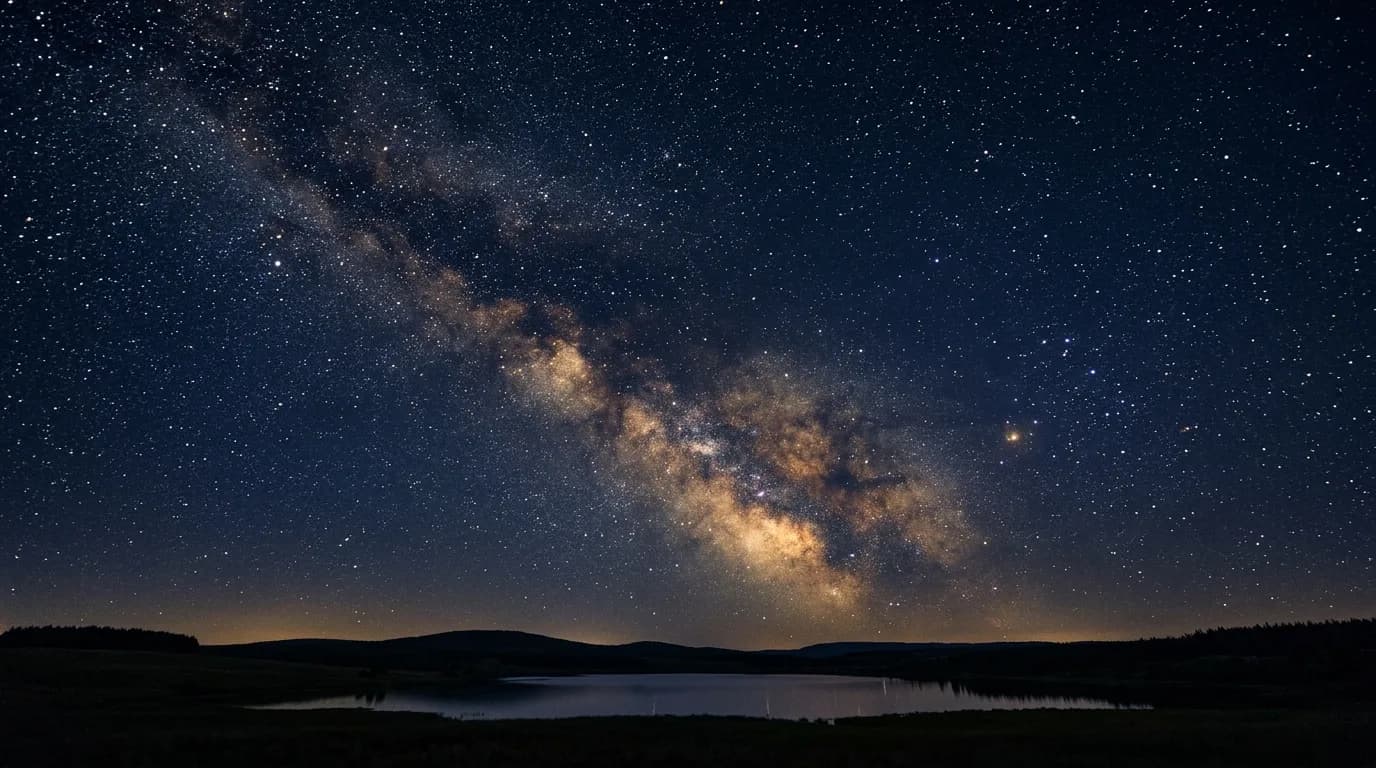
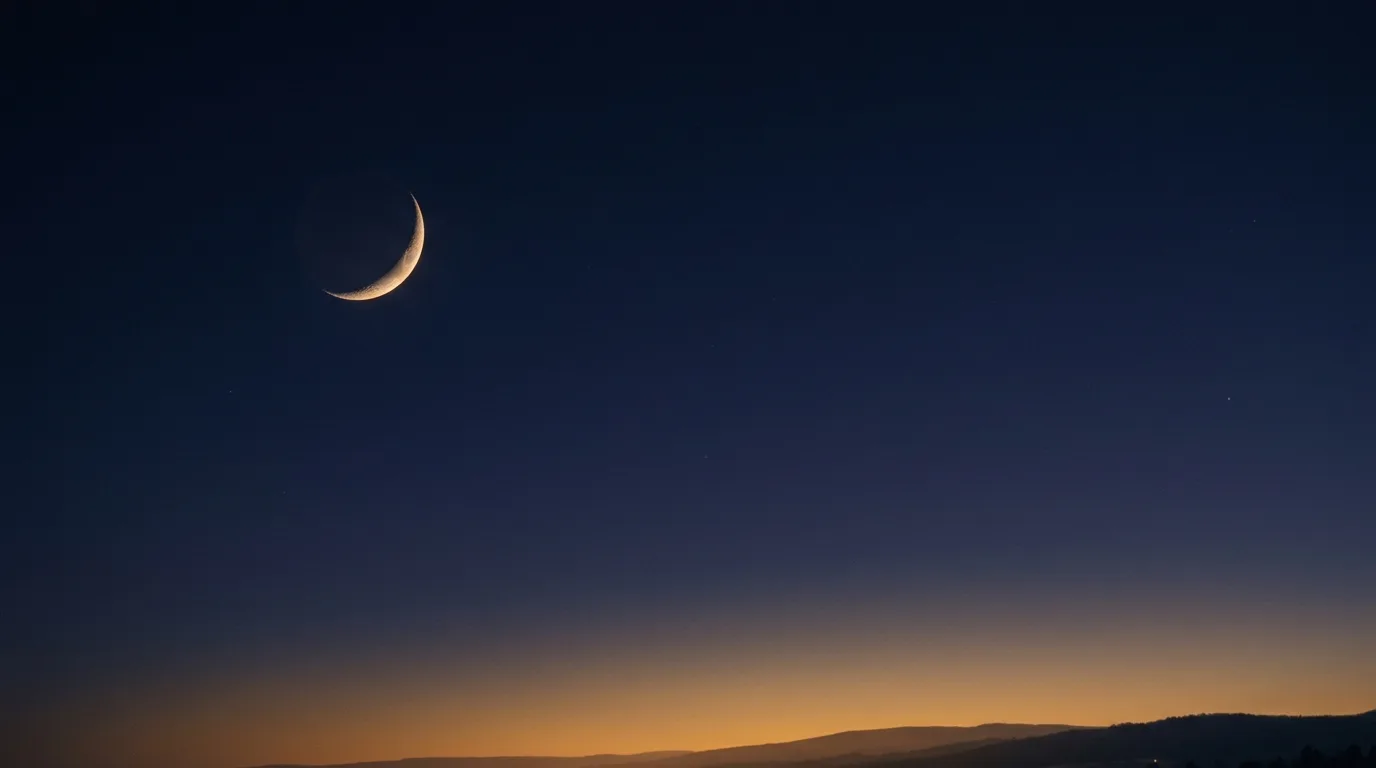
Have you ever stepped outside on a clear night and felt the moon silently watching you? Not in a dramatic, mystical way—just a quiet presence, steady and calm, reminding you that something larger than your day's worries is turning above. In our always-on world, the moon offers a simple invitation: pause, breathe, and remember your place in the cosmos. This is not about elaborate ceremonies or complicated astrological charts. It's about a mindful, three-step ritual that takes less than twenty minutes and can transform how you end your day. Tonight, you don't need to know the exact phase or your rising sign. You only need to show up, look up, and let the sky do the rest.
Why the Evening Is Sacred
There's a reason sunset feels like a threshold. As the light softens and the day's noise fades, our nervous system naturally begins to wind down. The moon, rising in that in-between hour, becomes a focal point for something ancient within us—a recognition that we are not separate from the cycles of nature. In a world that pushes constant productivity, this evening ritual is an act of quiet rebellion. It says: “My rhythm matters more than the noise.”
But you don't need to belong to any tradition to benefit from this practice. The moon has been a companion to every generation before yours—holding space for lovers, wanderers, and dreamers. When you align with it, you tap into a shared human experience that is both grounding and liberating.
“The moon is a friend for the lonesome to talk to.” — Carl Sandburg
Step One: Arrive and Observe
Begin by stepping outside—or if you're indoors, find a window with a clear view. Leave your phone inside. Don't rush. Stand still for a moment and let your eyes adjust to the deepening twilight. Notice the moon's shape, its color, its position. Is it a fragile crescent, a bold half, or a glowing full disc? Let it be exactly what it is, without judgement.
This first step is about sensory presence. Pay attention to the temperature on your skin, the sounds around you, the quality of the air. You're not trying to interpret anything. You're simply witnessing. If your mind starts to wander to tomorrow's tasks, gently bring it back to the moon. Repeat to yourself: “I am here. This is now.” This small act of observation creates a bridge between your inner world and the outer sky.
Step Two: Breathe with the Lunar Rhythm
Now, close your eyes and take a few slow, deep breaths. As you inhale, imagine drawing in the moon's quiet energy—a silver light that softens the edges of your anxiety. As you exhale, release anything that feels heavy: stress, doubt, the weight of expectations. Do this for five minutes, letting your breath find its own natural pace.
If you want to go deeper, synchronize your breath with the moon's symbolism. Inhale for four counts, hold for four, exhale for four, hold for four. This is called “box breathing,” and it mirrors the steady, unhurried motion of the moon across the night sky. With each cycle, you're not just relaxing your body—you're sending a signal to your mind that you are allowed to slow down.
At this stage, you may notice emotions surfacing. That's good. Don't push them away. Let them float up like clouds in the moonlight. You're not solving problems here; you're simply creating space for them to be seen.
“We are all like the bright moon, we still have our darker side.” — Khalil Gibran
Step Three: Set a Simple Intention
The final step is a gentle act of intention-setting. You don't need a journal or a special app—though if you have one, it's a lovely addition. Just silently, or in a whisper, state one thing you want to carry into tomorrow. Keep it simple. It could be “May I be more patient,” or “I will listen more than I speak,” or even “I’m grateful for this moment.”
The key is to phrase it in the present tense, as if it's already unfolding. Your nervous system doesn't know the difference between a plan and an experience—so by speaking it under the moon, you plant a seed that can bloom as you sleep.
If you're feeling particularly inspired, you can close with a moment of gratitude. Thank the moon for its presence, thank yourself for taking the time. Then slowly turn back to your home, carrying that quiet awareness with you. You might find that your sleep is deeper, your dreams more vivid, and your morning feels lighter.
Making It a Habit
Like any ritual, this practice deepens with repetition. You don't have to do it every night—but if you can, especially during the waxing and full phases, you'll begin to notice a shift. You'll start to anticipate the moon's movement, to feel its pull before you even look up. This is not superstition; it's simply attention. And attention is the purest form of connection.
Tonight, when the sky darkens, take a moment for yourself. Step out, look up, and let the moon's patient light remind you: you are part of something vast, beautiful, and ever-changing. This tiny ritual won't fix everything, but it might just give you the peace you've been seeking.
Explore the topic further: Moon calendar
AI-generated content — for entertainment purposes only, not professional advice.AI safety